

Here’s a sobering reality: most of us spend roughly 90% of our lives indoors, yet the air inside our homes can be significantly more polluted than what’s outside our front door. This invisible issue quietly undermines both our daily comfort and long-term health, fueling everything from persistent allergies to chronic fatigue.
Fortunately, you don’t need to break the bank or overhaul your entire home to breathe cleaner air. Instead, success begins with understanding where indoor pollution originates and adopting straightforward, manageable strategies suitable for any living situation.
What’s Actually Polluting Your Indoor Air?
Surprisingly, your home harbors a constant cocktail of airborne contaminants that cycle through your living spaces. Dust and dust mites, pet dander, pollen that sneaks indoors, mold spores, and volatile organic compounds (VOCs) released from cleaning supplies, furniture, and household products all play a role. These microscopic particles don’t simply settle. They’re continuously kicked back into circulation whenever you walk across a room, fluff a pillow, or open a door.
This ongoing recirculation matters more than many realize. While people with asthma or allergies feel the effects most immediately, everyone’s respiratory health takes a gradual hit. In fact, the Environmental Protection Agency reports that certain indoor pollutants can reach levels two to five times higher than what’s found outdoors—a statistic that takes many homeowners by surprise. Worse still, winter months tend to intensify the problem, as we tightly seal our homes and rely heavily on heating systems that stir up settled debris.
Why Regular Cleaning Becomes Your Secret Weapon
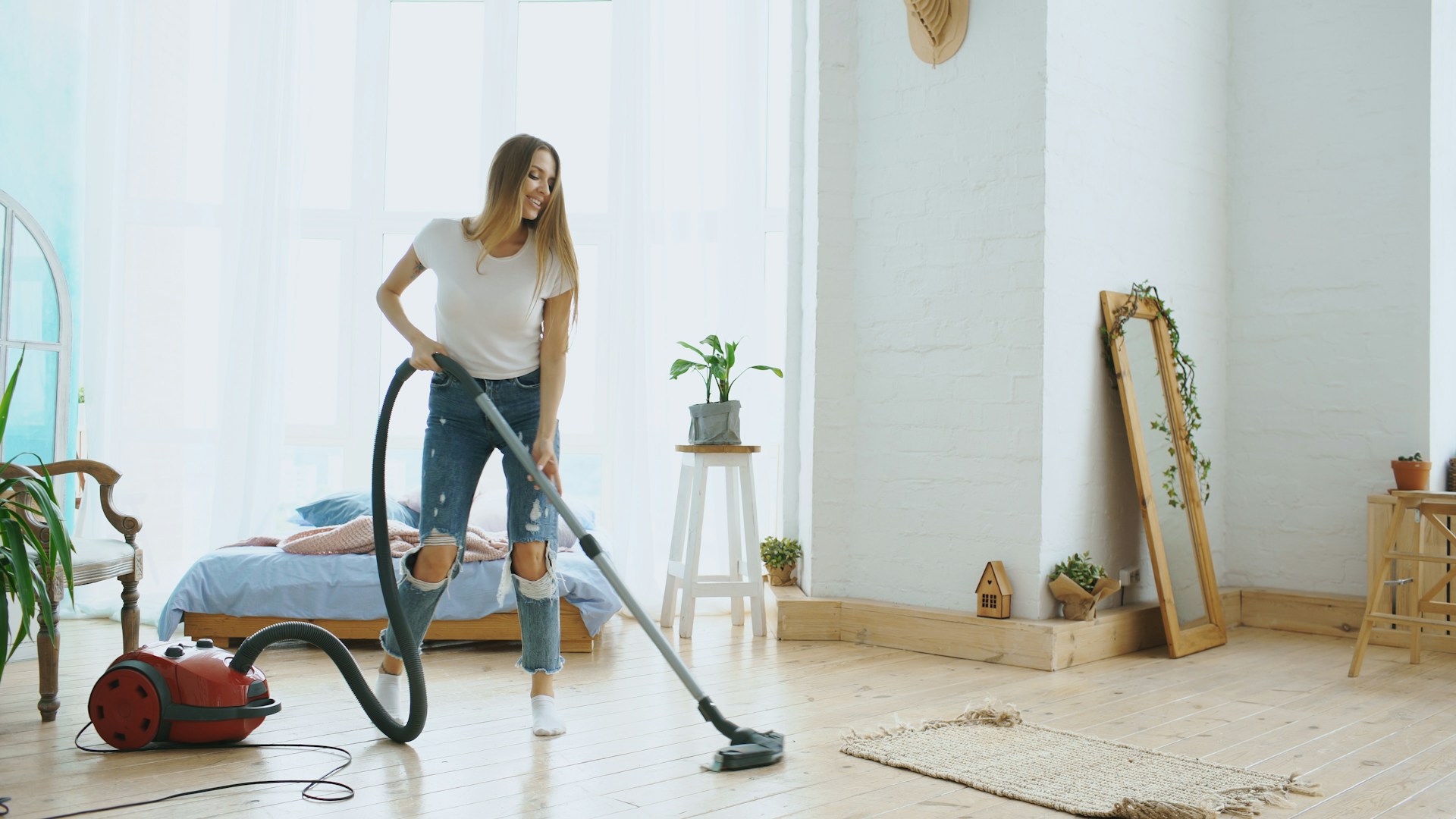
Cleaning is more than a chore; it’s your first and most powerful defense against poor indoor air quality. Every surface acts as a landing zone for airborne particles, creating reservoirs that release dust and allergens back into the air with even the slightest movement. This is where consistent, thorough cleaning becomes indispensable.
Vacuuming remains one of the most effective tactics for disrupting this cycle of particle circulation. Whether you’re using a classic upright or a newer, more advanced vacuum, technique matters far more than price. Slow, overlapping passes give your machine the time it needs to lift deeply embedded debris rather than skimming the surface.
So, how often should you vacuum? Homes with pets or allergy sufferers do best with twice-weekly attention to high-traffic areas, while most households maintain healthy air with weekly sessions. Just as importantly, remember to clean or replace your vacuum’s filters on schedule; neglecting this step can send those captured particles right back into the air.
Of course, vacuuming isn’t enough on its own. Damp dusting with microfiber cloths traps particles instead of redistributing them, while routine care for upholstered furniture and window treatments tackles allergen buildup that vacuums alone can’t reach.
Upgrading Your Home’s Filtration Game
Modern filtration technology offers powerful support for keeping indoor air clean around the clock. HEPA filters, capturing 99.97% of particles as small as 0.3 microns, are the gold standard and are found in both high-performance vacuums and standalone air purifiers.
Choosing the right purification method depends on your space and needs. Standalone air purifiers excel in targeted rooms, while vacuums with advanced filtration provide dual benefits by pulling particles from both surfaces and the air. Long-term effectiveness, however, depends on maintenance. Filters must be replaced on schedule, and systems should be cleaned properly to prevent them from becoming pollutant sources themselves.
Getting Ahead of Pollution at Its Source
Smart air quality management isn’t only about removing pollutants—it’s about preventing them. This begins with making intentional choices, such as selecting low-VOC household products and ensuring adequate ventilation during activities that produce fumes or particles.
Biological pollutants like mold call for a different approach centered on moisture control. Maintaining proper humidity levels helps inhibit growth, while simple routines, including grooming pets regularly, reduce how much dander circulates.
Fresh air also plays a major role in diluting indoor pollutants. Opening windows during mild weather, running exhaust fans while cooking, and allowing consistent airflow can dramatically improve your indoor environment with minimal effort.
Building Habits That Stick

Lasting improvements come from routines tailored to real life. Establish small daily habits, making beds, wiping down surfaces, and tidying clutter, to prevent dust from accumulating. Weekly efforts like thorough vacuuming and damp mopping remove deeper buildup, while monthly tasks such as filter changes and periodic deep cleaning keep your systems efficient.
Ultimately, consistency beats perfection. Regular maintenance prevents pollutant accumulation far more effectively than occasional deep-cleaning marathons. Track filter replacement dates, set reminders, and involve everyone at home so these healthy habits become second nature.
Your Next Steps Toward Cleaner Air
Achieving optimal indoor air quality isn’t about relying on one magic solution. Rather, it’s the combination of routine cleaning, effective filtration, smart source control, and consistent maintenance that creates a powerful, interconnected defense system.
Start by taking an honest look at your current habits and choose one area to improve this month—whether it’s upgrading filtration, establishing a more consistent cleaning schedule, or simply practicing mindful ventilation. These small, steady steps add up quickly. And the payoff, better sleep, fewer allergy flare-ups, and a more comfortable home environment, is well worth the effort for your family’s health and everyday well-being.
Featured Image: Jacob Wackerhausen/iStock
—Read also