

In The Boys, chaos is currency, and Gen V spends it lavishly. The second season of Amazon’s spinoff stormed back onto screens on September 17, with everything fans might expect—grief, gore, gratuitous full-frontal, and a shifting power dynamic at Godolkin University that lands uncomfortably close to real-world politics. Yet this isn’t merely shock for shock’s sake. Instead, Gen V Season 2 sharpens its storytelling, weaving absurd and often grotesque set pieces with character arcs that probe trauma, loyalty, and the murky edges of morality. The result is messy, unsettling, and at times emotionally devastating, precisely the cocktail that devotees of The Boys universe signed up for.
Gen V Season 2 unfolds across eight episodes, with the first three dropping together on September 17. From there, the series settles into a weekly rhythm, building momentum toward its finale on October 22. This staggered release not only keeps the conversation alive but also gives each shocking twist and character revelation room to breathe.
Honoring Andre: A Character’s Death Rooted in Real Life
The season opens under the shadow of loss, with the tragic passing of Chance Perdomo in 2024 shaping both the narrative and its emotional weight. Showrunners chose to weave his absence into the story, writing Andre Anderson’s off-screen death at Elmira Prison during a failed escape attempt with his metal manipulation powers.
Though Andre is gone, his presence lingers powerfully: his father, Polarity, is consumed by the pursuit of justice; Emma draws strength from his steadfast belief in her; and the rest of the God U crew grapples with the void he left behind. By making Andre’s legacy a driving force rather than glossing over his absence, Gen V Season 2 succeeds in both mourning the actor and honoring the character.
Gen V Season 2: Godolkin University Tightens Its Grip
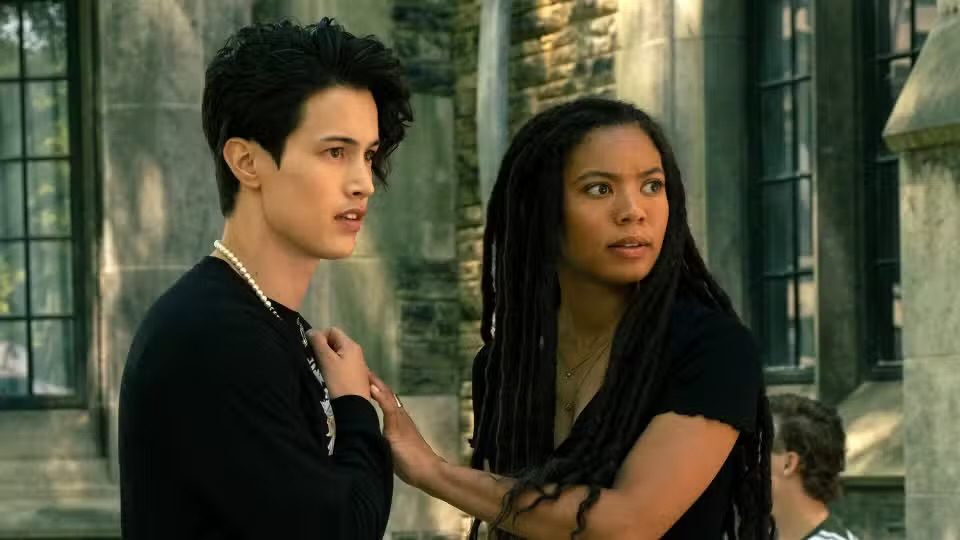
If you thought Godolkin University was toxic before, just wait. It’s far darker now. Gen V Season 2 wastes no time in raising the stakes, introducing a chilling new figure: Cipher, brought to life with unsettling authority by Hamish Linklater. As the newly appointed dean, Cipher doesn’t simply run the campus; he reshapes it into a breeding ground for supe-supremacist ideology.
Almost immediately, the atmosphere shifts. Lectures echo with propaganda about supe superiority, while human students face increasingly open harassment. Worse still, dissenters are silenced before they can even find their footing. What once felt like a chaotic playground of excess now morphs into something far more sinister: an authoritarian training ground. In Cipher’s hands, the campus becomes less about reckless pranks and rivalries and more about indoctrination, control, and the dangerous weaponization of youthful power.
For fans who crave their superhero satire laced with biting political commentary, this new arc delivers in spades. More than just another bloody chapter in The Boys universe, it’s a sharp reminder of the show’s true focus. Indeed, it holds a mirror to the systems of power that shape—and often corrupt—our world.
The Shock Factor: Gross, Wild, and Weird

Still, this wouldn’t be Gen V without its trademark cocktail of the outrageous and the grotesque. The writers seem determined to outdo themselves with every episode, turning the season into a full-blown carnival of chaos. Case in point: The Guardian was quick to spotlight the now-infamous male full-frontal locker room scene, which has already cemented itself as one of the season’s most talked-about moments. Meanwhile, Nerdist’s recap calls out the beer-butt chugging, grotesque hazing rituals, and tentacle-heavy debauchery that left fans squirming in equal parts disgust and fascination.
Yet the gore is never just for cheap laughs. The shock value certainly keeps viewers on edge. But beneath the splatter lies something more sobering: an unflinching look at what unchecked power and toxic peer culture can breed. In other words, if you thought Euphoria was edgy, Gen V Season 2 just raised the stakes, grinning through the blood all the while.
Power, Politics, and Pain: The Characters Evolve

So far, the core cast are evolving in ways that feel both riveting and dangerous, each character pushed further into moral gray zones. Marie’s blood-manipulating powers continue to expand, but with that growth comes a gnawing conflict over just how far she’s willing to go in the name of survival and justice. Emma, still weighed down by guilt, channels Andre’s faith in her to find a quiet strength amid the surrounding chaos. Jordan, meanwhile, continues to navigate questions of identity with nuance, cementing their place as one of the series’ most layered and compelling figures.
Then there are Cate and Sam, who are arguably the most volatile forces in play. Cate’s betrayal last season painted her as one of the show’s most complex characters, and Season 2 refuses to let her off the hook. Straddling the line between villain and victim, her choices send shockwaves through both allies and enemies. Sam, on the other hand, drifts further into radicalization, embodying the darker extremes of supe ideology. Together, they force viewers to confront the show’s central question: in a world this corrupt, can anyone remain good for long?
Why Gen V Season 2 Works
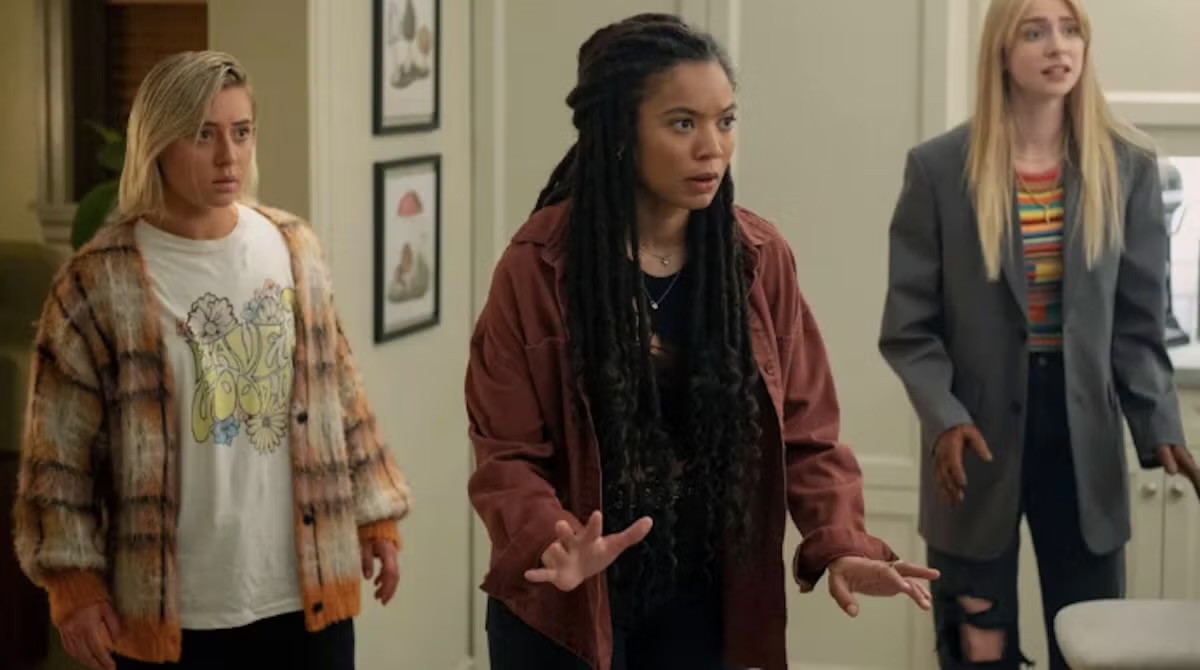
What ultimately makes Gen V Season 2 stand out is its balance. Yes, it’s still shocking, messy, and gloriously over the top, but it’s also surprisingly thoughtful. Beneath the carnage, the show grapples with real grief, skewers institutional corruption, and dares to pose uncomfortable questions about power and responsibility.
Subtle? Hardly. But that’s never been the point. Fans don’t turn to Gen V for restraint; they tune in for audacity, and Season 2 delivers it in spades. Yet it also reminds us that every splatter of blood carries weight, anchoring the spectacle in stories of control, identity, and the steep cost of surviving in a world designed to exploit young power.
Final Take
Gen V Season 2 is satire sharpened to a knife’s edge. By honoring Andre’s legacy, amplifying its critique of institutional corruption, and doubling down on its grotesque spectacle, the show proves it’s far more than just The Boys’ younger sibling. It’s bold, it’s bizarre, it’s unapologetically gross—and it’s deeply relevant. If the opening episodes are any indication, the rest of the season promises one hell of a bloody ride.
Featured image: Prime Video
For the latest in fashion, lifestyle, and culture, follow us on Instagram @stylerave
Gen Z’s Screen Obsessions: How September’s Streaming Hits Are Defining Pop Culture and Style