

Back in the day, Black folks understood that taming your tresses took work. Sometimes, you avoided water; other times, a silk press was the only salvation. There’s a moment almost every Black woman has witnessed—the subtle hush that moves through a room when someone walks in with hair so fluid, so impossibly glossy, that the light practically glides across every strand. The straightness alone turns heads, but it’s the softness and weightlessness that seal the moment. A silk press delivers that with quiet confidence. It moves like cinema, like the hair is telling its own story. Yet, as fine as the finish may be, the modern Black woman has questions.
For many, the silk press moment is more than styling. But when it’s done poorly, regret settles in—a wish to have stayed “nappily ever after.” Is it worth it? Is it just another flat-ironing technique? Is it more damaging than it is beautiful? And while no one denies the ease a flawless silk press brings to your hair, the real question is: Is it safe? Or, at the very least, is there a secure way to protect your hair while enjoying it? The truth is, there’s far more happening beneath that sleek shine than most people realize.
What is in a silk press?
A silk press is the modern evolution of the traditional press-and-curl that’s elevated in both technique and intention. Unlike a quick straightening session at home, a true silk press begins long before the flat iron makes an appearance.
It starts with a deep, clarifying cleanse designed to remove weeks of buildup, product layers, and environmental residue. This creates a fresh canvas. Next comes conditioning, which restores moisture, elasticity, and resilience that’s essential for what follows.
The blowout stage shapes the hair’s structure, using technique rather than reckless heat to begin smoothing. By the time the flat iron enters the chat, the hair is already halfway to sleek. The final press happens in small, deliberate sections, with heat calibrated precisely to the client’s texture and needs. This layered discipline is what separates a silk press from a simple straightening.
Why Black folks are talking
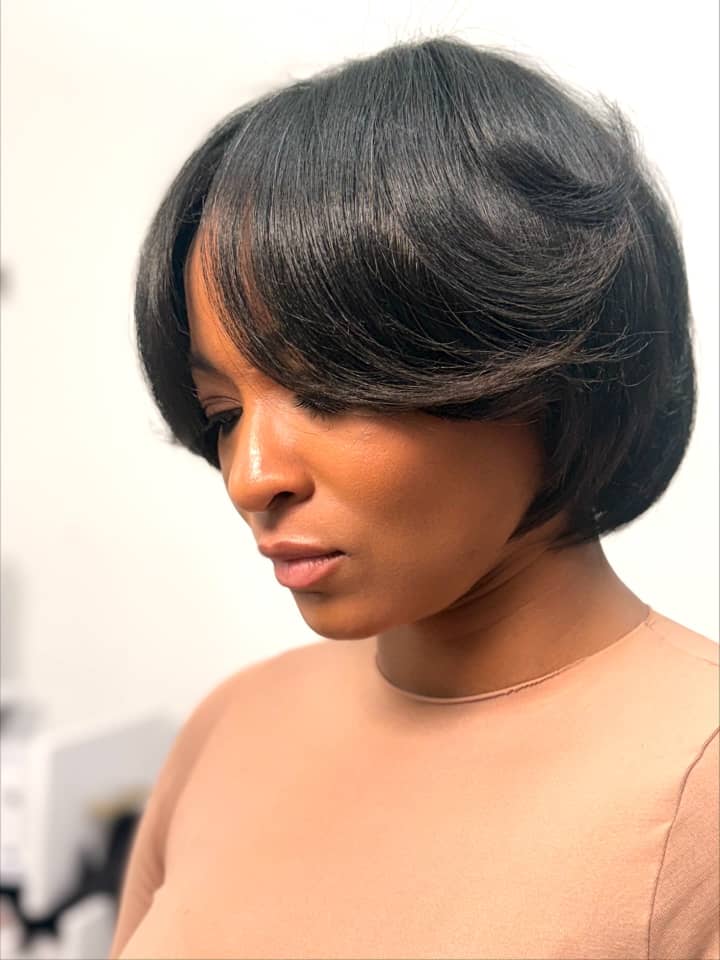
The conversation around texture is layered, emotional, and rooted in history. For many Black women, a silk press symbolizes freedom. It serves as proof that you can shift from coils to silk without sacrificing identity. It celebrates versatility and reminds us we’re not locked into one look forever.
For others, straight styles raise questions: Does straight hair still hold privileged status in professional spaces shaped by Eurocentric ideals? If you’ve ever been told your 4C hair was “unprofessional,” you understand the weight of that dialogue.
And then there’s heat damage (an experience many know too well). Curls that never returned. Ends that snapped off. These memories inform how we approach heat today. The concern isn’t straight hair; it’s preserving a natural pattern that took time and care to nurture.
At the same time, there’s subtle pressure in some spaces to remain textured at all times, as though wearing a silk press signals a lack of commitment to the natural movement. But the truth is simple: Black hair is diverse, expressive, and brilliantly adaptable. Straightening it temporarily doesn’t erase its authenticity. If anything, it highlights its capacity.
What are the side effects of silk press on hair?

A silk press isn’t inherently harmful. However, rushed technique, inadequate products, or excessive heat can cause trouble. Hair may lose elasticity, dryness may creep in, and split ends can multiply, especially if trims are skipped. The real danger lies in frequency. A silk press every few months is generally harmless. But weekly? That slowly erodes the hair’s health over time.
Here’s how to enjoy a silk press safely

#1. Don’t Ignore Deep Conditioning
It’s the foundation that allows hair to endure heat. Proper conditioning restores elasticity—the bounce-back factor that protects strands from internal weakening. Without moisture, heat becomes aggressive instead of transformative.
#2. Heat Protectant Is Non-Negotiable
More than a spray, it functions as a thermal shield. It locks in moisture, smooths the cuticle, and reduces long-term damage. Skipping it is the quickest path to irreversible heat trauma.
#3. Professional Technique Is Ideal
A trained stylist doesn’t just straighten. They assess. They evaluate porosity, elasticity, density, and the hair’s resilience before choosing a temperature. They know when hair needs strength, when it’s too fragile to press, and when the service should wait. Silk pressing is chemistry and care, not guesswork.
#4. Limit Frequency
A silk press should feel like an occasion, not a routine. Spacing them out gives hair time to recover and retain its curl pattern. Moderation keeps the style beautiful and sustainable.
#5. Preserve the Style Without Reheating
Aftercare protects both the press and your curls. Wrapping at night maintains smoothness. Satin reduces friction. Loose pin curls add movement without heat. And avoid “just one quick pass” with the iron—touch-ups compromise hair health more than the initial styling.
Where protective styling fits in
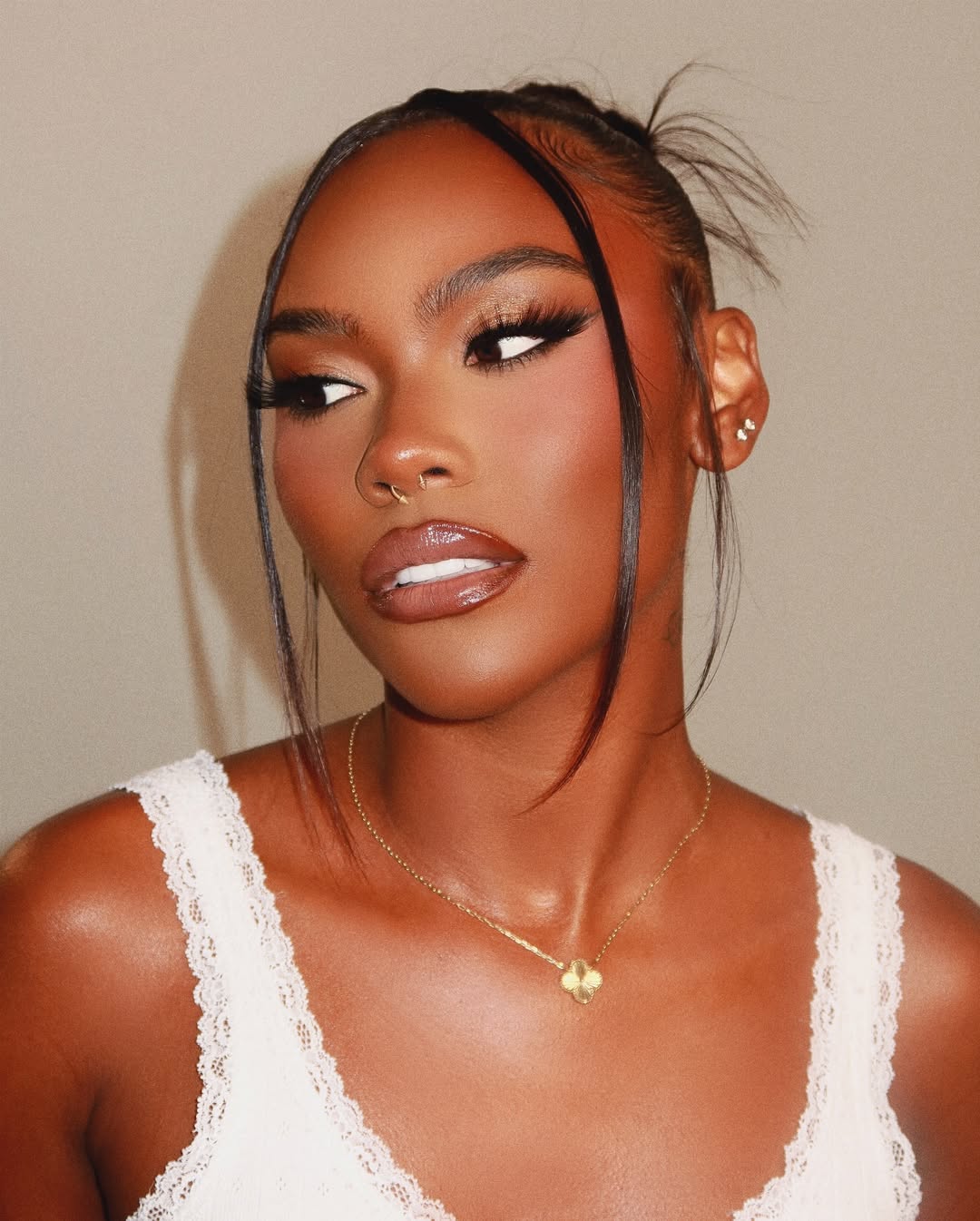
After a silk press, protective styles become the recovery phase. Twists, braids, wigs, and low-manipulation options restore moisture and reduce daily stress. Pairing occasional silk presses with protective styling creates a healthy rhythm where hair thrives rather than endures.
A silk press is a version of you

A silk press isn’t an abandonment of curls or a retreat from natural identity—it’s simply another form your hair can take. Black hair has always been defined by versatility. It shrinks, stretches, coils, glows, and flows. A silk press is an aesthetic moment, a shift in silhouette, a chance to feel your length graze your shoulders or cascade down your back.
It isn’t a betrayal of texture. It’s a celebration of choice. And in the tapestry of Black womanhood, choice remains one of our most powerful expressions.
Featured image: Getty Images
—Read also
